


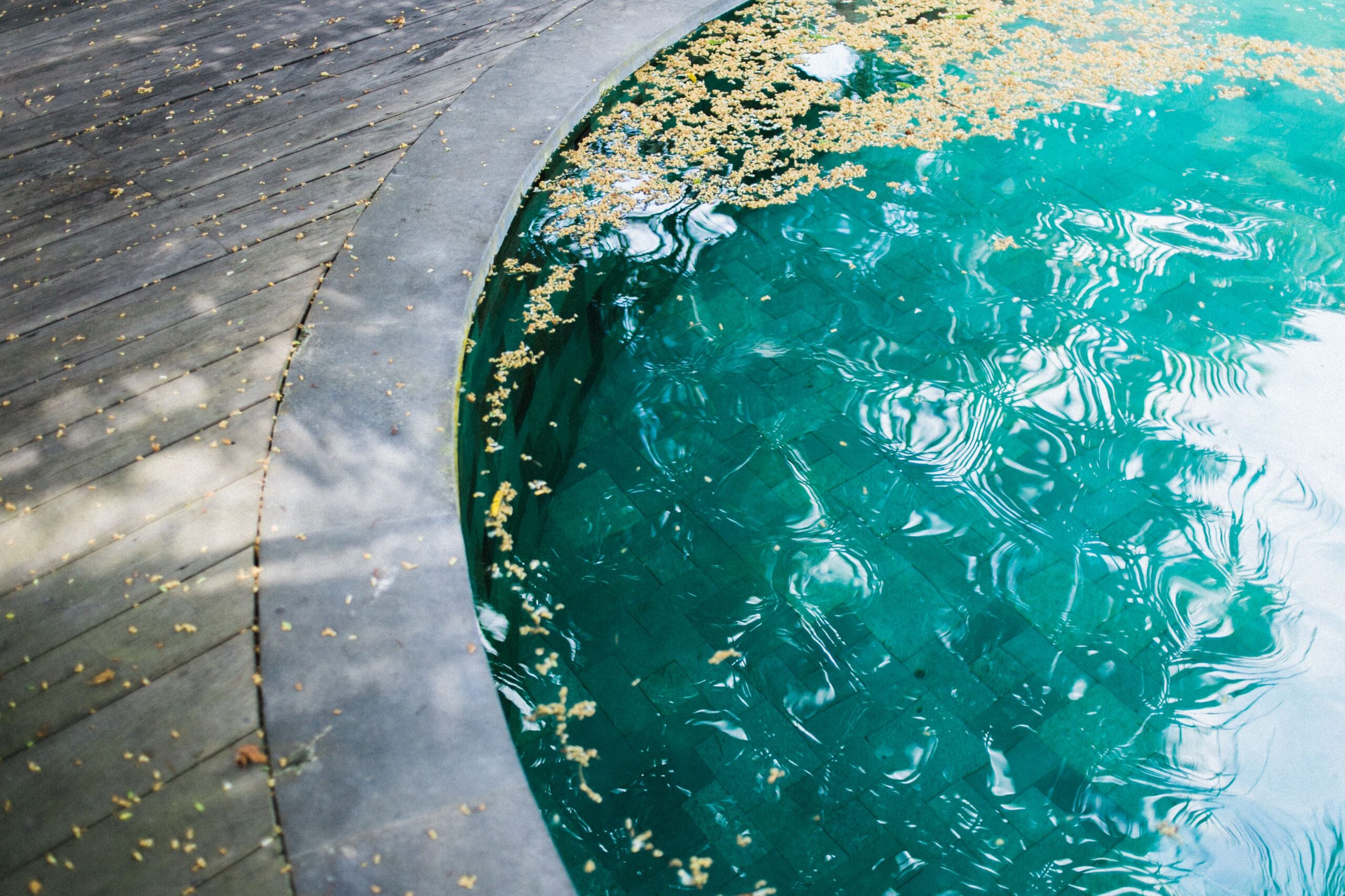
Your swimming pool is a valuable asset. It adds to the worth of your home, and it adds even more to your quality of life. Think of long summer days by the water, the smell of a barbecue drifting on the breeze, cold drinks with good friends, and kids laughing and splashing in the pool. Those are the moments that make summer memorable.
As the season winds down, it’s time to say goodbye to the pool until the warm weather returns. To keep it in top shape for next year, it needs some care before the cold arrives. A few hours of preparation now is what keeps a pool a pleasure to own rather than a burden.
Why Winterizing Your Pool Matters
Protecting your pool from winter doesn’t take much effort, but skipping it can lead to costly repairs and a lot of extra work in spring.
When water freezes, it expands. That’s enough to burst pipes, crack skimmers, damage expensive pumps and filters, and in the worst cases, ruin an above-ground pool beyond repair.
Water quality matters just as much. A pool left untreated for months can turn green and murky, and getting it clean again in spring is far harder than keeping it clean through winter. With the right treatment, bacteria and algae don’t stand a chance.
The good news is that once the work is done, your pool needs very little attention until spring. And let’s face it, no one wants to head out on a freezing morning to deal with pool maintenance. We’d all rather be curled up by the fire with a cup of hot chocolate and a good book, or catching up on the series we never had time for in summer.
When to Close Your Pool
Timing makes a real difference. Close too early, while the weather is still warm, and algae can grow under the cover. Wait too long, and you risk an early frost damaging the plumbing. The best time is when the water temperature stays below about 65°F (18°C), since algae grows much more slowly in cooler water. For most of the country, that means sometime between late September and October.
Above-Ground vs In-Ground Pools
The type of pool you own affects the precautions you’ll need to take. Above-ground pools need extra care because their walls and plumbing are exposed to the cold on all sides. In-ground pools are naturally supported and insulated by the surrounding earth, so there’s less to worry about when the temperature drops.
Whichever type you have, pay attention to the details. The tasks are straightforward, which makes it tempting to cut corners, but a small oversight now can cause real headaches later.
Winterizing an In-Ground Pool
Before you begin, remove ladders, handrails, toys, and loungers, and store them somewhere dry until next summer. Then turn your attention to the water, since it will sit untouched for several months.
Clean the Pool
Skim the surface, scrub the walls and floor to remove any trace of algae or dirt, and vacuum the pool. If it’s particularly dirty, vacuum to waste so the debris bypasses the filter and goes straight out of the system. Empty the skimmer and pump baskets, and backwash or clean the filter so it’s ready for the next step.
Treat the Water
Test and balance the water, aiming for a pH of 7.2–7.8 and a total alkalinity of around 80–120 ppm. If you’re using a stain and scale remover, add it now. It’s optional but worth it, since it prevents mineral buildup and keeps surfaces clean over the winter.
Next, shock the pool with a high dose of chlorine and run the pump continuously for 24 hours. Add the shock in the evening, ideally around sunset, because UV light breaks down chlorine quickly.
Once the chlorine has dropped back to 1–3 ppm, add a good-quality winter algicide. Don’t rush this. High chlorine levels make algicide less effective, and once algae takes hold, it’s a real struggle to get rid of. Run the pump for a few more hours to circulate the algicide before moving on.
Lower the Water Level
Using your pool pump or a submersible pump, lower the water about 4–6 inches below the skimmer. This keeps water out of the skimmer and the plumbing leading to the pump, which is essential in areas where temperatures fall below freezing.
Protect the Plumbing
Use compressed air or a wet-and-dry vacuum to blow all the water out of the lines. Then seal the return lines with expansion plugs and, in freezing climates, add non-toxic pool antifreeze to the plumbing. A skimmer guard, such as a Gizzmo, gives extra protection by absorbing ice pressure so the skimmer doesn’t crack.
Drain the pump, filter, and heater completely by removing their drain plugs. Keep the plugs in the pump basket so they’re easy to find in spring.
Cover the Pool
Finally, fit a solid winter cover that sits tightly over the pool. Hold it in place with water tubes laid end to end around the edge. Double-chamber tubes are the safer choice, because if one chamber leaks, the other still keeps the cover weighted down. Fill them only about 80–90% full to leave room for the water to expand if it freezes.
Check on the cover every few weeks, especially after storms or heavy snowfall. An automatic cover pump makes this easier by draining rainwater and melted snow before the weight can stretch or tear the cover. A secure cover also keeps out small animals, which can get trapped if they find their way underneath.
Winterizing an Above-Ground Pool
Start by cleaning the pool and treating the water exactly as described above. Then lower the water level to just below the skimmer. Don’t drain it any further, since the water helps support the walls and liner.
Disconnect the Equipment
Rather than blowing out the plumbing, disconnect the hoses running between the pool and the pump. Drain the pump and filter completely and, if possible, store them indoors for the winter. Seal the return opening with an expansion plug and cover the skimmer opening to keep debris and water out.
Add an Air Pillow and Cover the Pool
Place an inflated air pillow in the center of the pool and tie it in place so it doesn’t drift. As the water freezes and expands, the pillow absorbs the pressure and protects the walls and liner. It also helps rain and snow run off the cover instead of pooling on top. Inflate it only about halfway, as a fully inflated pillow is more likely to burst under pressure.
Then fit the cover and secure it with a cable and winch, making sure it’s tight. As with an in-ground pool, check on it every few weeks, especially after storms or heavy snow.
Winterizing a Pool in Mild Climates
If you live somewhere temperatures rarely drop below freezing, you’re in luck. You get more months of swimming, and you don’t have to worry about ice damage. That makes winterizing much simpler, and the process is almost the same for in-ground and above-ground pools.
Start by cleaning the pool thoroughly and balancing the water, just as you would in a colder region. Then give it a light shock and add algicide. A stain and scale remover is optional but helpful.
Because the plumbing stays full, there’s no need to drain or blow out the lines. Instead, reduce the pump runtime to around 2–4 hours a day and test the water every couple of weeks to keep the chlorine level steady. If an occasional frost is forecast, run the pump overnight, since moving water is far less likely to freeze in the pipes. Many pumps have a built-in freeze protection setting that does this automatically.
A cover isn’t essential in a warm climate, but it keeps leaves and debris out and saves you extra cleaning later. It also adds a layer of safety if you have young children or pets.
Handle Pool Chemicals Safely
The chemicals that keep your water clean over winter need to be handled with care. According to the CDC (Centers for Disease Control and Prevention), pool chemical injuries lead to about 4,500 emergency department visits in the U.S. each year, and more than a third involve children or teens.
Always follow the label directions, wear gloves and eye protection, and never mix different chemicals together. Add chemicals to water, never water to chemicals. Store everything in its original container, somewhere cool, dry, and well out of reach of children and pets. See the CDC’s guidance on pool safety for more tips.
Where to Buy Pool Winterization Supplies
If you’d rather not shop around for each item separately, In The Swim offers everything covered in this guide through its Amazon store. Its pre-measured chemical closing kits are the easiest option for the chemicals, since they include the shock, algicide, and winterizer in the right amounts for your pool’s size. You’ll also find winter covers, water tubes, air pillows, expansion plugs, and cover pumps.
You’re All Done
With the work behind you, you can relax for the rest of winter, knowing your pool is well protected. Enjoy everything the colder months have to offer, from cozy evenings indoors to time with family and friends. When spring arrives, the trees turn green, and the birds start singing again, all that’s left to do is pull back the cover. Your pool will be clean, clear, and ready to welcome you back, and you’ll be glad you put in the effort now.

